This question stayed with me longer than I expected. Everyone knows that healthy eating matters. And yet breakfast is often the first thing to fall apart. We skip it because we are busy, grab whatever is easy because we are in a rush, or tell ourselves we will do better tomorrow because we are tired. I was no different. What I really wanted to know was not what the perfect diet looked like, but how a healthy meal could actually be sustained over time.
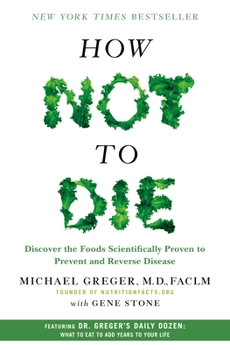
That question led me to Michael Greger’s How Not to Die. What I appreciated about the book was that it did not promise some dramatic secret. Instead, it helped me see that health begins with the choices we repeat every day. More than anything, it shifted the way I thought about eating. Health was no longer something built on sudden discipline or a perfect plan. It looked more like a daily pattern.
One of the most practical ideas in the book is that healthy eating should be measurable in simple, repeatable ways. Greger offers a framework that encourages people to include more whole, plant-based foods in everyday life. Not as a rigid rule, but as a reminder of what a nourishing day might look like.
The recommendations themselves are not flashy, but they are clear. Eat more beans. Include berries and other fruits. Make room for cruciferous vegetables and leafy greens. Choose whole grains more often. Add nuts and seeds. Use spices more intentionally. Move your body. In other words, the book does not center health around one miracle food. It builds health out of many ordinary foods that, together, create a better direction.
That was the part that stayed with me. So much of healthy eating is framed around restriction: what to cut out, what to avoid, what to stop craving. But How Not to Die also points toward a different way of thinking. Instead of only asking what should be removed, it invites us to ask what can be added.
That shift matters. For someone whose meals are rushed or inconsistent, it may be more realistic to begin by adding rather than eliminating. Add fruit to breakfast. Add something more whole and less processed. Add a handful of nuts. Add vegetables to a meal that would otherwise be empty of them. Add foods that feel closer to actual nourishment. This approach feels less like punishment and more like care.
Of course, no one follows these ideas perfectly every day. I do not think that is the point. What I took from the book was not the pressure to get everything right, but the reminder that health does not depend on perfection. It depends on direction. A healthy breakfast does not have to be impressive. It only has to move us, little by little, toward something better.
That is why I try not to think of breakfast as a performance anymore. It is not a test of discipline, and it does not need to look ideal. It is simply one of the first chances I get each day to treat my body with a little more respect. Even a small choice can matter: something less processed, something more substantial, something that gives rather than only fills.
In that sense, How Not to Die did not give me a final answer. It gave me a clearer way to think. A healthy breakfast is not protected by perfection, but by repetition. Not by grand intentions, but by ordinary choices we are willing to return to. And maybe that is enough for a beginning.
 Site Title